
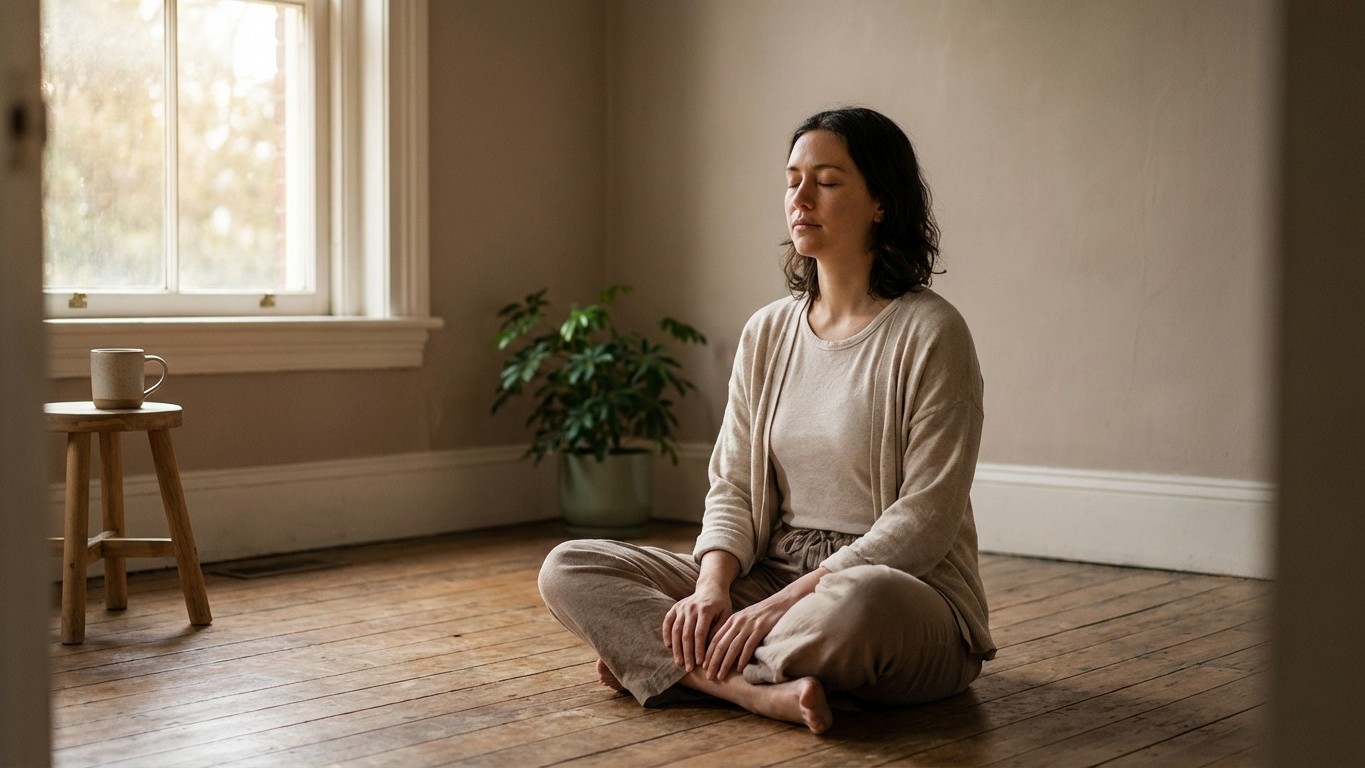
Some days, stress builds up before you’ve even left the house. Other times, a dark mood descends in a flash, unexpected, uninvited, and stubborn. Yet across kitchen tables, GP waiting rooms, and social feeds, a deceptively simple idea keeps cropping up: devote Just 10 Minutes to a mindful breathing ritual. It’s not mysticism, and it’s not wishful thinking. Multiple scientific studies suggest that a short, focused breathing practice really can dial down anxiety and gently lift your overall mood. Intrigued? Those 10 minutes might just change the tone of your whole day.
Key takeaways
- Why a few minutes of mindful breathing might change your day.
- The surprising neuroscience behind breath and emotion.
- How a simple ritual may rewire your brain for better emotional balance.
Unpacking the Power of Breathing
Humans have been told for centuries to “take a deep breath” before facing something tough. That advice wasn’t plucked from thin air. Modern neuroscience is catching up with what ancient traditions observed long ago: breath and emotion are entwined, each shaping the other. Fast, shallow breaths? Your body primes for stress, releasing more cortisol, the hormone responsible for that wired, jittery feeling. Long, steady breaths? The parasympathetic nervous system takes over, which encourages relaxation and can reduce feelings of tension almost immediately.
A cluster of trials published in peer-reviewed journals between 2020 and 2025 focused on short, standardised breathing exercises. In one such study, participants followed a guided, 10-minute sequence daily for four weeks. The results: many reported improved well-being, with measurable reductions in heart rate and subjective stress ratings. What’s remarkable isn’t just the steady lowering of anxiety, but the way this simple act shifted mood, cutting through brain fog and irritability alike. There’s no single “magic” technique, but most protocols include elements of slow, deep inhales, measured exhales, and paying close attention to your breath’s natural rhythm.
Still, scepticism is understandable. Some argue it’s all placebo, or just a break from whatever’s causing stress in the first place. But by monitoring brain function and hormone levels, researchers found these effects often persist longer than an interrupted email or a brief sit-down. Quite literally, your brain rewires slightly each time you practice; areas linked to emotional regulation strengthen, making you better equipped for future turbulence. Not once in the past decade has a pill shown such reliable, side-effect-free benefit in so little time. The 10-minute breathing ritual is gaining scientific street cred for a reason.
How to Create Your Own 10-Minute Ritual
So, what does this look like beyond the pages of a glossy magazine? No scented candles or Himalayan sound bowls necessary, though no harm if that’s your thing. The core requirement is intentionality. Find a place where you’re unlikely to be disturbed (the garden shed, the car, even your desk with headphones can work). Sit or lie comfortably and close your eyes if you wish. Start by noticing the flow of air as you breathe, counting four seconds in, Holding gently for four, then exhaling for six. Repeat, keeping your focus tethered to the rise and fall of your chest or the sound of your own breath.
It’s normal for thoughts to wander. When they do, don’t judge, just gently redirect your attention to the breath. Try shifting your focus occasionally, feeling your abdomen expand or listening for background noises. This anchors your awareness in the present. After a few minutes, some people describe a softening of tension in the jaw or shoulders. Others, a surprising well of calm washing through them.
Want to crank up the ritual’s effect? Evidence suggests that pairing breathwork with a few minutes of gratitude or setting a small intention can yield an even greater mood boost. For example, after several minutes of steady breathing, bring to mind something you’re genuinely thankful for, no matter how minor. Many practitioners swear this mental “reset” leaves them less reactive to daily frustrations and more open to positive experiences.
What Science Tells Us : And What It Can’t
Breathing rituals aren’t a substitute for therapy or medication, especially for longstanding mood disorders, but they’re rarely discouraged. In recent surveys, GPs in the UK now recommend such practices to patients more routinely, backed by the NHS’s growing library of mindfulness resources.
Of course, not every study finds universal, life-altering changes. Some participants report little shift, and others abandon the Routine after a week. Personal factors, stress levels, underlying anxiety, physical health, can all shape the experience. The ritual’s beauty lies, perhaps, in its utter accessibility. No fancy kit or professional instruction needed; just you, ten minutes, and your breath.
If you’re ever out walking along Regent’s Canal early in the morning, you might spot someone sitting quietly by the water, headphones on, face softened by concentration. Chances are, they’re engaged in their own version of this 10-minute pause. A silent, unremarkable act, until you consider how many such tiny rituals, woven into ordinary life, might quietly shift the collective mood of a city, even a country.
Building the Habit, Finding the Unexpected
Admittedly, weaving a new habit into a busy schedule can feel daunting. Set a daily reminder, tag your ritual to an existing activity (after the school run, before that second coffee), or invite a friend to try it with you. Research suggests that regularity matters more than perfection. Skip a day? No disaster. What counts is returning, minute by minute, breath by breath.
One reader once wrote to our editorial team describing how, over several winter days, their 10-minute practice was the only constant. The world outside churned with chaos, yet those moments brought an intimacy with stillness they’d never known. Later, they realised their response to stress at work had subtly changed, a little less sharp, a little more measured, as if the practice had rewired their nerves just enough to change the script.
Ten minutes might seem like a trivial investment. Yet, stacked across weeks and months, this brief window of self-care could be likened to compound interest for the mind. It’s easy to dismiss such a ritual as “too simple” to make a dent in serious stress. But history suggests that tiny, consistent actions hold more power than we often give credit for. What would happen if even half of us took up this ritual? Perhaps the next time someone tells you to breathe, you’ll trust there’s genuine science behind the words.
Always consult your GP before making significant changes to your mental health routine, especially if you have underlying health conditions or concerns.