
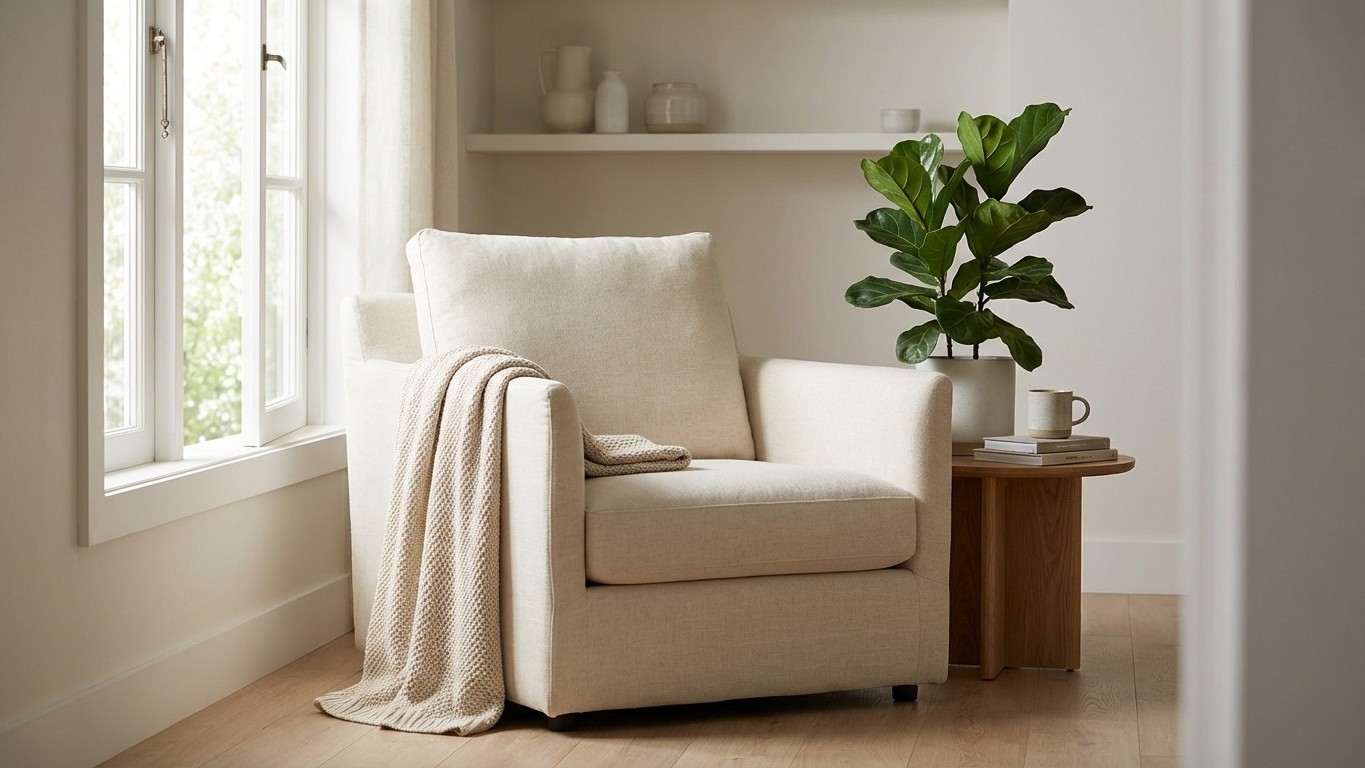
Some houses seem to nurture, others quietly conspire against us. For those who battle frequent headaches, it’s easy to blame stress or screens, but could your own living space be a hidden culprit? As science peels back the layers, more people are realising that headache triggers often lurk in unexpected corners of the home. Small, thoughtful changes can make a dramatic difference to the way you feel between those four familiar walls.
Key takeaways
- Hidden headache triggers could be lurking in your home’s air, light, and noise.
- Small environmental changes may dramatically reduce headache frequency.
- Discover simple habits and tweaks to create a headache-friendly sanctuary.
The Invisible Triggers All Around Us
Modern homes brim with sources of comfort and convenience, yet a surprising number of them can also irritate our bodies without us quite understanding why. Air quality, lighting, smells, and the way sound bounces around a room: all these can subtly prime a headache before you even step outside. Take air, for instance. Studies have linked indoor pollutants to increased migraine and tension headache frequency. Volatile organic compounds (VOCs) from cleaning products, air fresheners and furniture finishes add to a chemical soup, one that the World Health Organization links to headaches and poorer cognitive function over time. Even ‘natural’ scents, like scented candles or essential oil diffusers, can trigger headaches in sensitive people. A 2024 review in the journal “Headache” highlighted how fragrance chemicals activate neurons associated with pain in some individuals.
Household dust, too, is more than just a nuisance. Packed with pollen, pet dander and microscopic mould spores, it can float in the air, waiting to be inhaled. Research suggests that exposure to dust mites and their proteins may provoke headaches for those with allergies, simply by causing sinus inflammation. And it’s not just what you inhale, what you see and hear can have a profound effect as well. Flickering fluorescent lighting, harsh overhead LEDs or relentless hums from appliances create a steady background irritation. For example, people with migraine are known to experience greater sensitivity to flicker and bright light, but even those without migraine may feel the strain if their home lighting is poorly chosen.
Simple Shifts for a Calmer, Clearer Head
There’s good news hidden in all these potential pitfalls: you don’t need a full renovation to make your home easier on your head. Think about swapping harsh bulbs for warm-white or adjustable LED options. These mimic natural sunlight better and reduce eyestrain, something migraine sufferers know all too well. If your home’s filled with screens, televisions, laptops, tablets, consider using night mode settings in the evening. This shifts the colour spectrum towards red and orange hues, which some research indicates may be less likely to trigger headaches.
Windows do more than frame garden views. Letting fresh air flow in, even in brisk weather, can reduce concentrations of irritants and dampness that encourage mould growth. A simple habit: open windows for 10 minutes each morning and evening, unless you live next to a busy main road. For those who can, using an air purifier with a HEPA filter targets fine particles and allergens, and can make a difference, especially in city flats. Houseplants once trailed as a miracle cure for indoor air, but more recent research suggests a few plants won’t overhaul your entire air quality. Still, they do look nice, and watering them can be a mindful little break from your day.
Smell is trickier terrain. If you love a scented candle, you may not want to part with it entirely. Try burning candles only after opening windows, or swap synthetic fragrances for beeswax or soy candles, which tend to release fewer irritating chemicals. If you notice your headache worsens after using certain cleaning sprays or air fresheners, that’s a sign to switch to unscented or naturally-derived products. It often surprises people how much their head clears up when they cut back on indoor synthetics.
Noise and Clutter: The Discreet Offenders
Silence used to be an ordinary part of home life. Now, the distant drone of traffic, washing machines, even the odd burst of hallway chatter in a block of flats, can create a low-level background noise that overstimulates. Studies have shown that persistent noise, even at relatively low volumes, can raise cortisol levels and trigger tension-type headaches. The fix isn’t always soundproofing (though thick curtains go a long way). Small tweaks, like positioning your main chair away from the loudest sources, using rugs or cushions to absorb echo, or simply closing interior doors during calls or naps, can make a surprising difference.
Clutter does more than offend the eyes. A 2025 survey of British households linked excess clutter to higher reports of stress-related symptoms, including headache. Visual noise has a peculiar power: even if you think you can ignore that stack of unopened post or cluttered bookshelf, your brain quietly tallies the chaos. Keeping surfaces clear and tidying a little each evening helps to create a visual sense of calm, something our nervous systems seem to value more than we let on. It’s rare that anyone regrets spending five minutes re-homing a few stray items or donating what no longer brings joy.
Creating Your Own Sanctuary
Transforming your space doesn’t mean stripping away every source of potential irritation, no home will ever feel like a luxury spa. The real art lies in discovering which triggers set off your own symptoms, then adapting your space in a way that supports well-being. If you’re plagued by headaches after household chores, perhaps it’s worth trialling different cleaning products, or delegating those tasks if possible. Notice headaches after reading in certain spots? Adjust lighting or try another chair. Sometimes, change is startlingly simple.
It’s important to be gentle with yourself in this process. Some people find keeping a brief “headache diary” helpful, jotting down when symptoms flare and any patterns linked to home activities. This isn’t about obsessive monitoring, but about tuning in to the Signals your body has been giving you all along. Often, the smallest environmental tweaks have ripple effects, leading to better sleep, improved mood, and a surprising sense of empowerment over your health.
Of course, headaches can have many causes. Environmental triggers are just pieces of a much larger puzzle. If you experience new, severe, or persistent headaches, always consult your GP for personalised advice. But sometimes, relief is a fresh breeze, a little less noise, or a different lightbulb away. What overlooked detail in your home environment could hold the key to a clearer, lighter head tomorrow?