
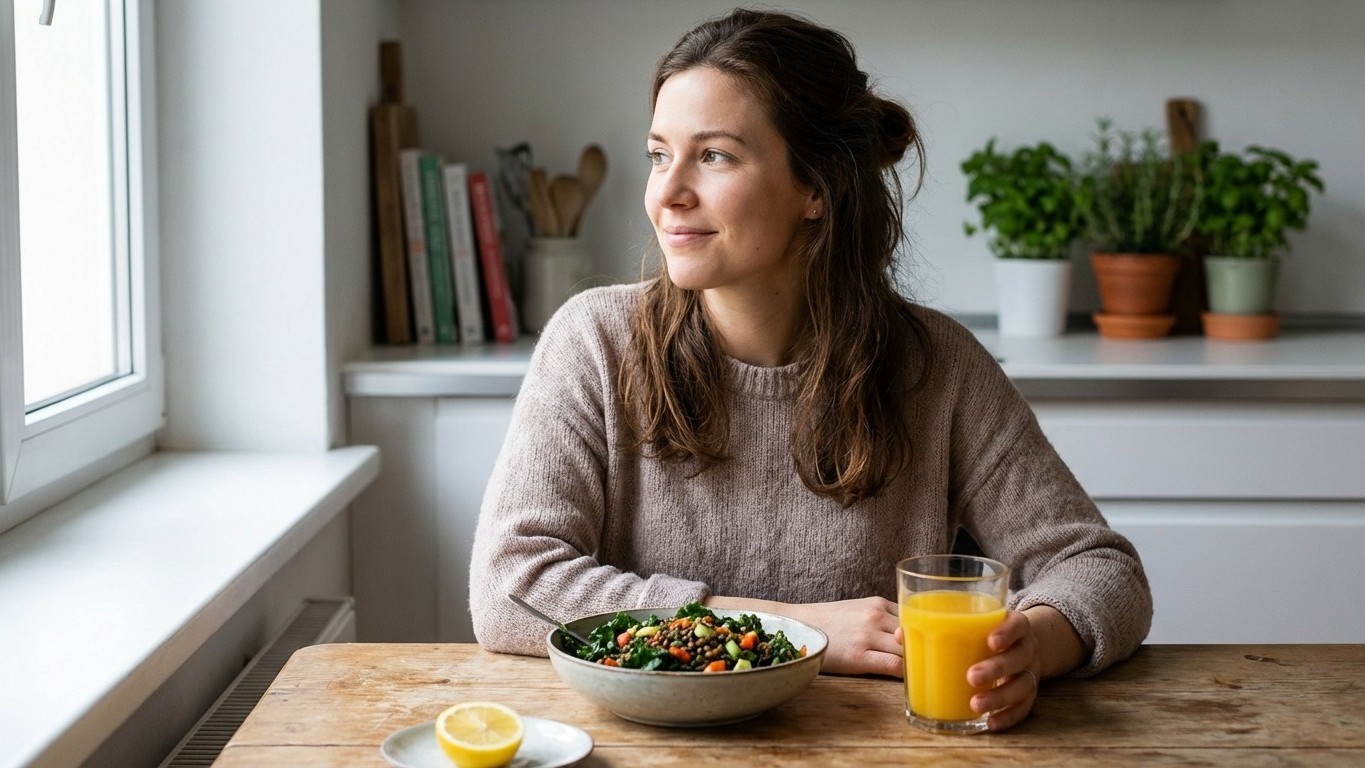
For years, my vegetarian diet felt like a badge of honour. Lentil salads, roasted chickpeas, mountains of leafy greens – my plate vibrated with colour. Friends would ask for advice, assuming I had this nutrition thing thoroughly sorted. But beneath the kale and quinoa, a lurking blind spot almost caught me out. The wake-up call came from a routine consultation with a nutritionist, and it shifted my entire approach.
Key takeaways
- Why relying on colorful veggies might still leave vital nutrients lacking.
- The surprising difference between plant-based and animal iron absorption.
- Small tweaks that make a big impact on iron levels and overall health.
The Myth of the ‘Complete’ Vegetarian Diet
A plant-based diet can brim with vitamins, minerals, and fibre. Entire populations thrive on mostly vegetarian cuisines. Yet, Western vegetarianism introduces quirks, especially if you rely on shop-bought meat substitutes, or skip technical reading of food labels. A lot of people – myself included – glide along on the confidence that variety and colour equals balance, rarely pausing to check if every box is ticked.
So, what was my Mistake? Protein was the obvious guess, since everyone loves to question vegetarians about it. I came prepared, reeling off my intakes of beans, Greek yoghurt, nuts, seeds, the occasional egg. But the nutritionist wasn’t focused on protein at all. She glanced at my tracker, then quipped, “You haven’t mentioned iron, have you?”
My mind flashed to iron-rich spinach and lentils. I’d read articles praising chickpeas and tofu. Surely, I was fine. But she pressed the point: “Most plant-based iron isn’t absorbed as easily as animal-based. Have you had a ferritin check lately?”
The Hidden Iron Gap
Reading my blood results was a humbling moment. My iron levels weren’t worryingly low, but skewed towards the borderline. Suddenly, my afternoon slumps made sense. It turns out a typical vegetarian, even one eating plenty of iron-containing foods, often absorbs less iron overall compared to omnivores. According to NHS advice, the recommended iron intake for adults is 8.7mg (men over 18) and 14.8mg (women aged 19–50) daily – but vegetarians may need more due to reduced absorption.
The issue comes down to the two types of dietary iron. Haem iron, from meat and fish, is much more available for absorption than the non-haem iron found in plants. Even with heaps of spinach and beans, absorption can be as low as 2-20%. Stuffing your plate is only half the battle. Tea, coffee, and dairy can all further hinder iron uptake if consumed at the wrong time.
One clinical trial published by the British Journal of Nutrition in 2024 tracked iron status among long-term British vegetarians and found nearly half had low ferritin (the body’s iron storage protein). Many were surprised, convinced their diet was sufficient. Anecdotally, I’ve since met vegetarians who religiously add pumpkin seeds to porridge yet still battle lethargy.
Turning Knowledge Into Action
Fixing this iron gap took more than just doubling up on lentil curries. My nutritionist suggested pairing plant-based iron sources with foods rich in vitamin C to enhance absorption. A squeeze of lemon on spinach, roasted peppers tossed into salads, or drinking orange juice with breakfast – these didn’t just feel like tweaks, they became habits.
Equally, I learnt to time my tea and coffee. Both bind with iron and can reduce uptake by as much as 60%. Waiting at least an hour after meals, rather than sipping while eating, made a visible difference over a few months. Each small change felt manageable, almost invisible in daily life, yet the cumulative effect was real. No prescription was required and I didn’t abandon my favourite foods. I simply started thinking about iron as a deliberate ingredient rather than a vague benefit.
Supplements became a talking point. While some friends swore by their daily multivitamin, my nutritionist reminded me: supplements can help in a pinch but are no substitute for sound dietary practice. NHS guidance encourages whole foods first, since excessive supplements themselves can have side effects. Blood tests provide clarity – self-prescribing iron supplements without medical advice is never wise, as iron overload brings its own risks.
Beyond Iron: The Ongoing Lesson
This experience didn’t just transform my attitude to iron – it shifted how I approach every aspect of food. Vegetarian diets, though inherently rich in many nutrients, come with their own quirks. Some, like vitamin B12 or omega-3s, often demand more planning (especially for vegans). Others, such as calcium and zinc, hover below the radar unless you actively seek them out. The takeaway? No one, not even a diligent vegetarian, should assume their diet is infallible.
There’s comfort knowing a few thoughtful tweaks, not drastic overhauls, made a tangible difference in my energy and focus. And while iron was my personal pitfall, anyone on a restricted or plant-focused diet might have a different gap. What’s striking is how easily these get overlooked amid the noise of trendy superfoods and influencer recipes.
If you’re curious about your own nutritional landscape, a chat with a dietitian or GP can offer an outside perspective – sometimes all it takes is an impartial question to reveal what’s missing. I’ve become an accidental advocate for the humble blood test, viewing it less as an ordeal, more a window into the unseen story behind my meals. And who knows? The next eye-opener could be hiding in your own lunchbox, quietly shaping your wellbeing.
Disclaimer: This article shares personal experience and general information. Always consult your GP or a registered dietitian before making dietary changes or taking supplements.