
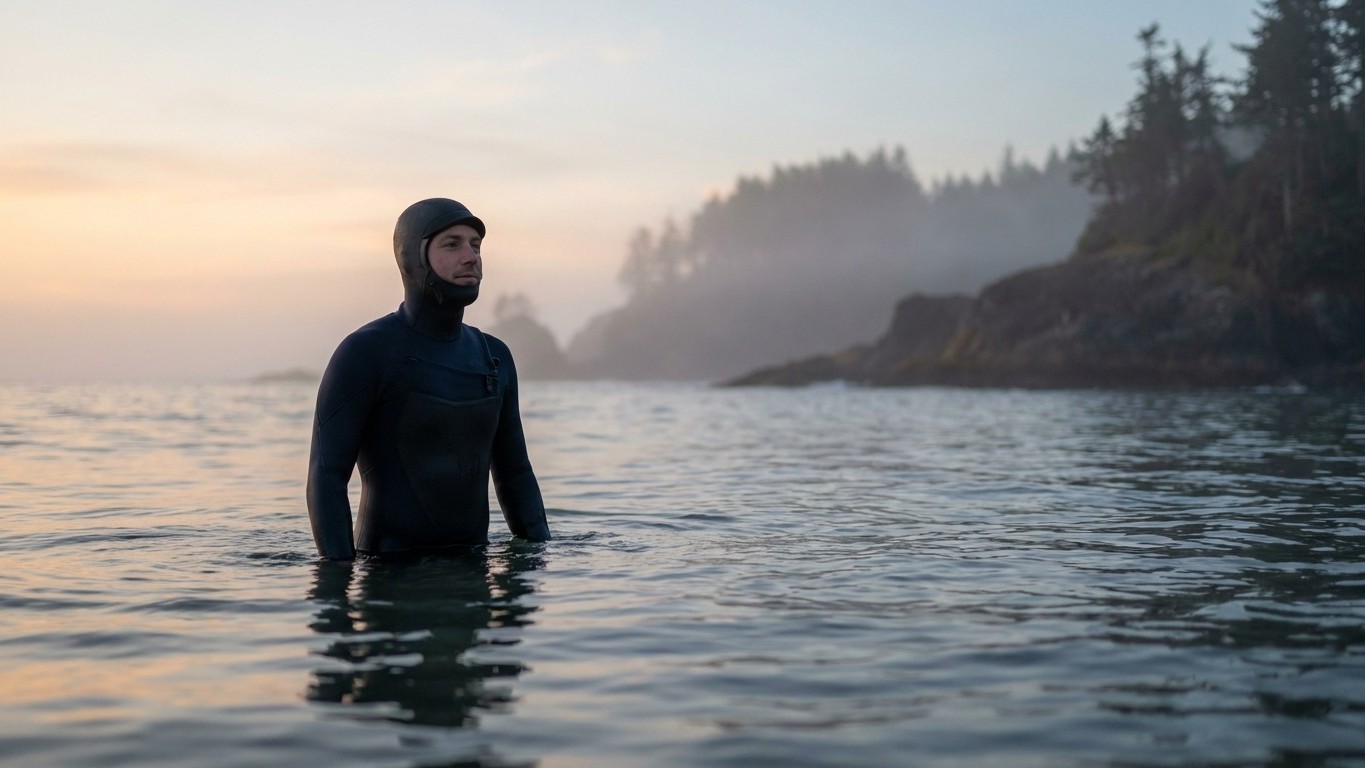
Cold water swimming has gone from fringe pursuit to mainstream wellness trend over the past few years, and if you’ve spent any time on social media recently, you’ll have seen someone wading into a grey British sea with an expression somewhere between terror and transcendence. What Actually happens to your body when you commit to it consistently, though, is a more nuanced story than the breathless testimonials suggest. My own thirty-day experiment last March gave me a front-row seat to some genuinely unexpected physiological changes, and my GP’s reaction at my follow-up appointment was, let’s say, not what I anticipated.
Key takeaways
- Your body experiences a severe alarm response in the first week—but adaptation happens faster than you’d expect
- Cold water triggers changes to blood pressure, metabolism, and circadian rhythms that a medical professional can actually measure
- The mental health benefits might be real, but isolating whether it’s the cold, the ritual, or the community proves surprisingly difficult
The first week: your body’s alarm system in full swing
March water temperatures around the UK coast typically sit between 7°C and 10°C. That’s cold enough to trigger what physiologists call the cold shock response: a sharp involuntary gasp, a racing heart, and a surge of stress hormones including cortisol and adrenaline. The first few mornings felt genuinely alarming. My heart rate, which I tracked with a wearable, spiked to levels I’d normally associate with a hard run, and I was shaking for a good twenty Minutes afterwards despite layering up immediately.
The gasping reflex is worth taking seriously. Research published in journals covering aquatic medicine has consistently highlighted it as the primary drowning risk for unprepared cold water swimmers, because it can cause you to inhale water if your face is submerged. I kept my head above water for the first fortnight and never swam alone. That precaution matters more than any wellness benefit on this list.
By day five or six, something shifted. The gasp became less violent. My body was beginning to adapt through a process called habituation, where repeated exposure reduces the severity of the cold shock response. I was still cold, but I was no longer frightened.
What the science says is actually happening inside you
The cardiovascular changes alone are worth understanding properly. Cold water immersion causes peripheral vasoconstriction (blood vessels near the skin contract to preserve core temperature), which temporarily raises blood pressure and forces the heart to work harder. Over time, regular exposure appears to improve vascular tone and the efficiency of this response. My GP noted that my resting blood pressure at the thirty-day check was measurably lower than at my previous visit six months earlier. She was careful to point out that correlation isn’t causation, and that other lifestyle factors could explain the change, but she called it “a pleasing trend” and asked me to continue monitoring it.
The metabolic picture is interesting too. Cold exposure activates brown adipose tissue, a type of fat that generates heat by burning calories rather than storing them. Studies in healthy adults have shown that repeated cold exposure can increase brown fat activity, though the weight loss implications are modest and shouldn’t be anyone’s primary motivation for jumping into a cold loch at 7am.
Sleep was the change that surprised me most. By the end of week two, I was falling asleep faster and waking feeling more restored than I had in years. The mechanism here is thought to involve the normalisation of cortisol rhythms: a controlled morning cortisol spike from cold immersion may help reinforce a healthier circadian pattern. I’m cautious about overstating this, because sleep is affected by dozens of variables, but the subjective improvement was consistent enough that I noticed it before I thought to look for it.
The mental health piece: real, but complicated
Cold water swimming’s reputation for improving mood is the claim that generates the most scepticism in medical circles, and perhaps fairly so. The evidence base, while growing, is still relatively young. A study published in BMJ Case Reports described a case where open water swimming contributed to remission from treatment-resistant depression, and there is a plausible biological rationale involving the release of norepinephrine and beta-endorphins in response to cold. But individual case reports are not clinical trials, and this is nowhere near sufficient evidence to recommend cold water swimming as a treatment for depression or anxiety.
What I can say from my own experience is that the ritual mattered as much as the cold. Getting up before the rest of the house, walking to the water in the dark, the complete sensory interruption of immersion, these created a daily moment of presence that no amount of mindfulness app usage had managed to replicate for me. Whether that’s the cold, the exercise, the outdoor exposure, the community of other swimmers I encountered, or simply having a purposeful Morning habit is genuinely impossible to untangle.
My mood tracking over the thirty days showed a clear upward trend from week two onwards. My GP, reviewing this alongside my blood pressure and sleep notes, remarked that she’d seen similar self-reports from other patients who’d taken up outdoor swimming. She Stopped short of endorsing it as therapy, but she didn’t discourage me from continuing either.
A month later: what I’d tell anyone considering it
The practical realities deserve honest attention. Hypothermia is a genuine risk if you stay in too long or don’t warm up adequately afterwards. Cold water can be particularly dangerous for anyone with heart conditions, Raynaud’s phenomenon, or uncontrolled high blood pressure. The British Swimming guidance is clear: acclimatise gradually, never swim alone in open water, and always get warm and dry quickly after exiting.
I kept my swims to between three and eight minutes, never pushed through numbness in my hands or feet, and always had a thermos and dry robes waiting. Those boundaries made the whole thing sustainable rather than heroic.
The thirty days changed how I relate to discomfort, cold, and mornings in ways I didn’t predict and haven’t entirely processed. Whether that’s reason enough for you to wade into a March sea is a question worth sitting with, preferably somewhere warm.
Always consult your GP before starting cold water swimming, especially if you have any existing cardiovascular or circulatory conditions.