
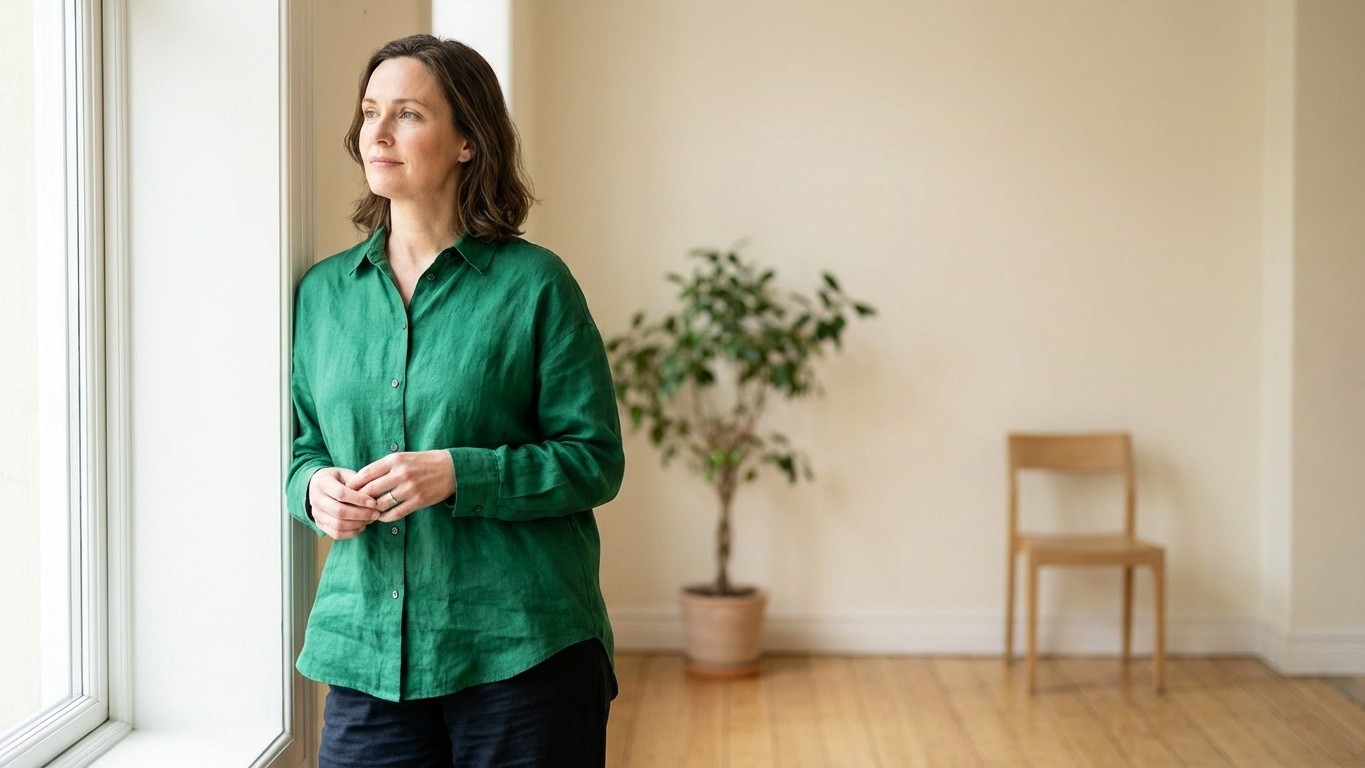
Have you ever noticed how slipping into a particular outfit can instantly lift your spirits or, conversely, dampen your mood? The connection between clothing colour and emotional state has intrigued both scientists and therapists alike. But does the hue of your attire genuinely influence how you feel, or is it merely a placebo effect?
Key takeaways
- Explore scientific studies linking color and emotional states.
- Uncover the concept of ‘enclothed cognition’ and its effects.
- Learn how therapists view color’s influence on mood and behavior.
The Science Behind Colour and Mood
Research into the psychological impact of colour suggests that different hues can evoke specific emotional responses. For instance, a study led by Dr. Helen Masters in collaboration with Edit Suits found that wearing blue clothing can enhance focus, boost memory performance, and reduce stress levels. Participants wearing blue consistently outperformed those in other colour groups, demonstrating improvements in both cognitive performance and emotional wellbeing. Dr. Masters explained that blue appears to promote a state of calm attentiveness by regulating the nervous system and allowing the brain’s prefrontal cortex to function more efficiently. psychreg.org
Similarly, the concept of “enclothed cognition” explores how clothing influences the wearer’s psychological processes. This phenomenon suggests that the symbolic meaning of attire, combined with the physical experience of wearing it, can affect cognitive performance and self-perception. For example, individuals wearing white lab coats described as “doctor’s coats” performed better on attention tasks than those who wore the same coat labeled as “painter’s attire.” en.wikipedia.org
Therapists’ Perspectives on Colour and Emotion
Therapists often incorporate colour psychology into their practice, recognising that certain colours can influence mood and behaviour. Bright, warm colours like red and yellow are typically associated with energy and positivity, while cooler tones like blue and green are linked to calmness and relaxation. However, the emotional impact of colour is not universal; personal experiences and cultural backgrounds play significant roles in how colours are perceived.
For instance, while red might evoke feelings of passion and excitement in some, it could trigger anxiety in others. This variability underscores the importance of individual differences in colour perception. As noted in a BBC Science Focus article, there is no study that has asked participants to change into brightly coloured clothes while monitoring the dopamine levels in their brain, indicating that the direct link between clothing colour and mood is still an area of ongoing research. sciencefocus.com
Practical Implications: Dressing for Your Desired Mood
Understanding the potential impact of clothing colour on mood can empower individuals to make intentional wardrobe choices. If you’re aiming to feel more confident and assertive, incorporating red into your outfit might be beneficial. On the other hand, if relaxation is your goal, opting for blue or green hues could help create a sense of calm.
It’s also worth considering the context and your personal associations with certain colours. While general trends exist, your unique experiences and preferences will ultimately determine how a colour affects you. Therefore, paying attention to how different colours make you feel can guide you in selecting attire that aligns with your desired emotional state.
In conclusion, while the relationship between clothing colour and mood is complex and influenced by various factors, both scientific studies and therapeutic practices suggest that the colours we wear can have a tangible impact on our emotions and cognitive functions. By being mindful of our clothing choices, we can harness the power of colour to enhance our daily experiences and overall wellbeing.