
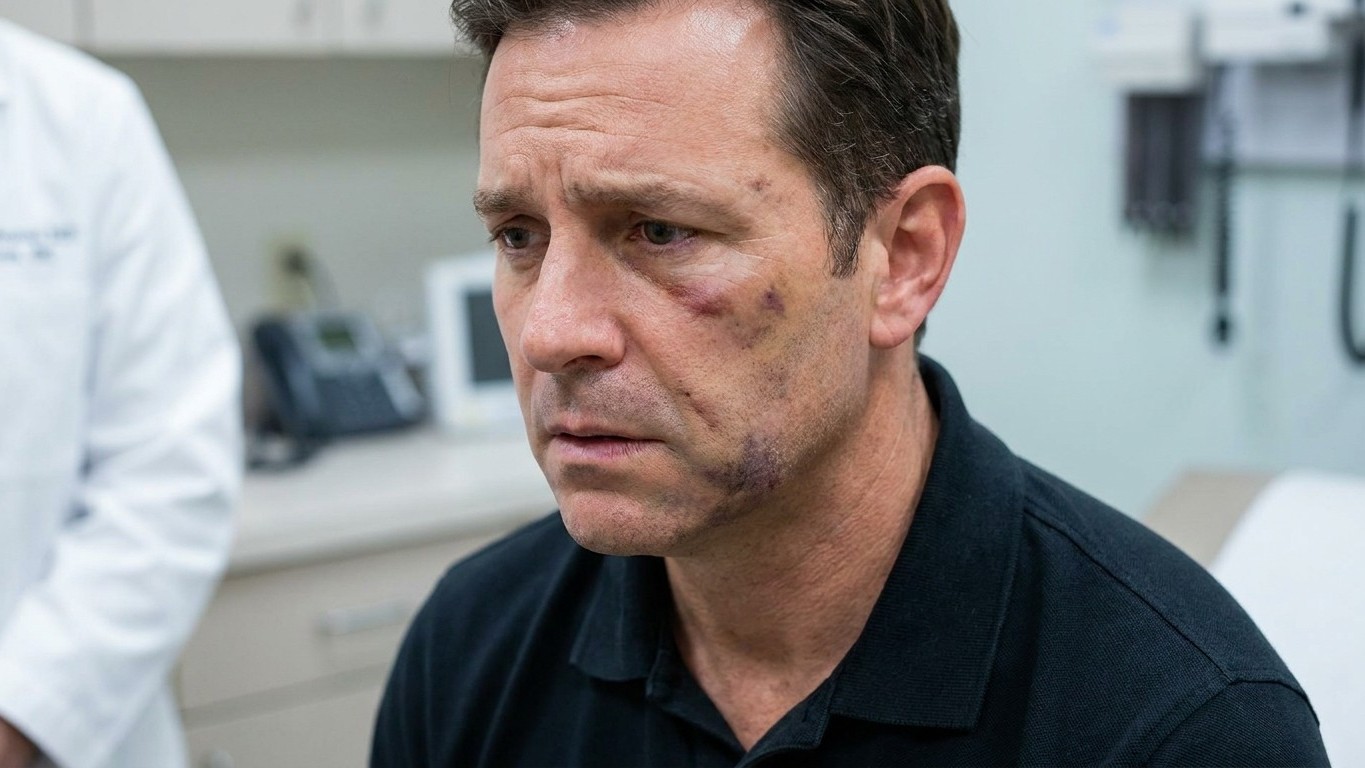
A fractured cheekbone, swelling that takes weeks to settle, and sometimes permanent nerve damage. That’s the reality behind “bone smashing”, the social media trend that told young men they could chisel their jawline by hitting their own face with a hammer. On social media, users are posting videos of themselves using hammers, trophies or even their hands to repeatedly hit their cheekbones, jawlines and chins, all in pursuit of a more defined, chiseled look. The theory sounded almost plausible. The medical reality, once surgeons explained what a CT scan actually shows after each blow, was enough to send most believers running.
Key takeaways
- A viral trend claims hammering your face sculpts your jawline—but what do the CT scans actually show?
- The 19th-century science it’s based on doesn’t work the way believers think it does
- Surgeons are treating cases of facial paralysis, blindness, and traumatic brain injuries from this practice
The theory that convinced thousands
The trend borrows its credibility from a genuine piece of 19th-century science. Bone smashers justify the practice by basing it on Wolff’s law, a 19th-century German surgeon who said bones adapt to stress placed on them. It’s true that bone tissue responds to mechanical loading. Your bones are constantly undergoing remodeling with old or damaged bone continuously being resorbed and replaced by newly laid bone, and applying mechanical force or physical stress to your bones can actually increase the rate that such remodeling occurs, resulting in stronger, thicker bones. That’s genuinely why weightlifters develop denser bones and why astronauts lose density in zero gravity.
Here’s where the logic collapses, and where an anatomy lecturer’s explanation cuts through the noise. The key is understanding that these bones only change as a result of the muscles surrounding them, and when muscles pull against the attached bone, it helps stimulate growth. A punch to the cheekbone isn’t a muscle gently loading bone over months. It’s a sudden, uncontrolled impact with no directional guidance whatsoever. As one academic pointed out, the bones in the face would conform to Wolff’s law, but it wouldn’t happen as a result of hitting these bones repeatedly, and if this were possible, we’d see these changes in Professional sports people who take repeated blows to their face and skull. Boxers and rugby players, would have the most sculpted jawlines on the planet. They don’t.
What actually happens under the skin
This is the part that stopped people mid-swing. Rather than triggering the clean, purposeful bone growth shown in glossy TikTok diagrams, an impact sets off a much messier chain reaction. Rather than activating bone-building osteoblasts, bone smashing triggers swelling and inflammation from soft tissue trauma, as repeated blunt force damages blood vessels, leading to fluid build-up and oedema. An orthopaedic surgeon interviewed by Healthline offered a blunt comparison to explain why the “healing stronger” idea doesn’t hold up. The likely result of breaking your bone and healing is about the same as it was before breaking it, and it is similar to dropping a mug on the floor and it magically turns into a teacup, with some swelling initially before it goes back to the way it was.
Even in the rare cases where a hairline crack does occur, the bone that forms to repair it isn’t a stronger, upgraded version. The bone that’s subsequently laid down to repair a fracture, known as “woven bone”, is also inferior in terms of both quality and structure, and while a typical fracture may take 6-8 weeks to heal, it takes anywhere from a few months to years to get back to the original structure and quality. One plastic surgeon put the maths on repeated injury even more starkly, noting that scarred tissue, whether it’s bone or skin or muscle, will actually only ever achieve 80% of the original strength, which is why people with injuries will often re-injure the previous sites. Far from building a fortress jaw, repeated smashing leaves the area weaker with every hit.
The injuries surgeons are actually treating
What worries maxillofacial and plastic surgeons isn’t just the failed cosmetic theory. It’s what turns up in A&E. A plastic and reconstructive surgeon in Brisbane has warned that repeated trauma to the face with a hammer or blunt object can cause soft tissue swelling, and bony microfractures, but this does not translate to improved appearance. The anatomy of the face makes the risks particularly severe, because the skull simply isn’t built to absorb repeated deliberate blows. Since our skull isn’t designed to take repeated heavy hits, bone smashing could lead to traumatic brain injuries such as concussions, and damage to the cheekbones will probably lead to bruising and swelling, which may in turn damage the eyes, as well as the nerves in the face, potentially leading to facial paralysis.
The mandible carries its own hidden danger too. A major blood vessel runs behind it, bringing blood to important parts of the face and head, including the teeth, parts of the ear and the brain linings, and significant damage to the mandible can tear this artery. One documented case involved a fracture behind the eye that left the person blind, according to reporting on the trend. Doctors have also flagged nerve damage resembling Bell’s palsy, TMJ problems affecting the bite, and even the possibility of chronic traumatic encephalopathy from repeated head impacts, the same condition linked to long-term brain damage in contact sports.
What actually works instead
If you’re keen on a more defined jaw or cheekbones, the frustrating truth is that genuine change requires either patience or a qualified professional, not a mallet. Facial structure does shift naturally with weight loss, hydration, sleep and reduced alcohol intake, since fluid retention and fat distribution affect how sharp your features appear far more than most people realise. For anyone considering a more permanent change, surgeons who perform genioplasty or cheek augmentation rely on imaging, anaesthesia and precision instruments, not guesswork. As one facial anatomist summarised it plainly: even if this trend were able to give you your desired facial changes, you’d have to continue “bone smashing” for the rest of your life, as once you stop, the bone will revert back to its most efficient structure, so if you do want to change your face’s appearance, please consult a professional.
One detail rarely mentioned in the viral clips: the “before and after” photos fuelling this trend are almost never taken under matched conditions. Different lighting, different angles, different expressions and often outright filters make swelling look like sculpted bone, when in reality it’s just inflammation catching the light. If you’re worried about facial pain, numbness or swelling after trying any looksmaxxing technique, don’t wait it out at home. Speak to your GP, who can assess for fracture and refer you for imaging if needed.
Sources : theconversation.com | cbsnews.com