
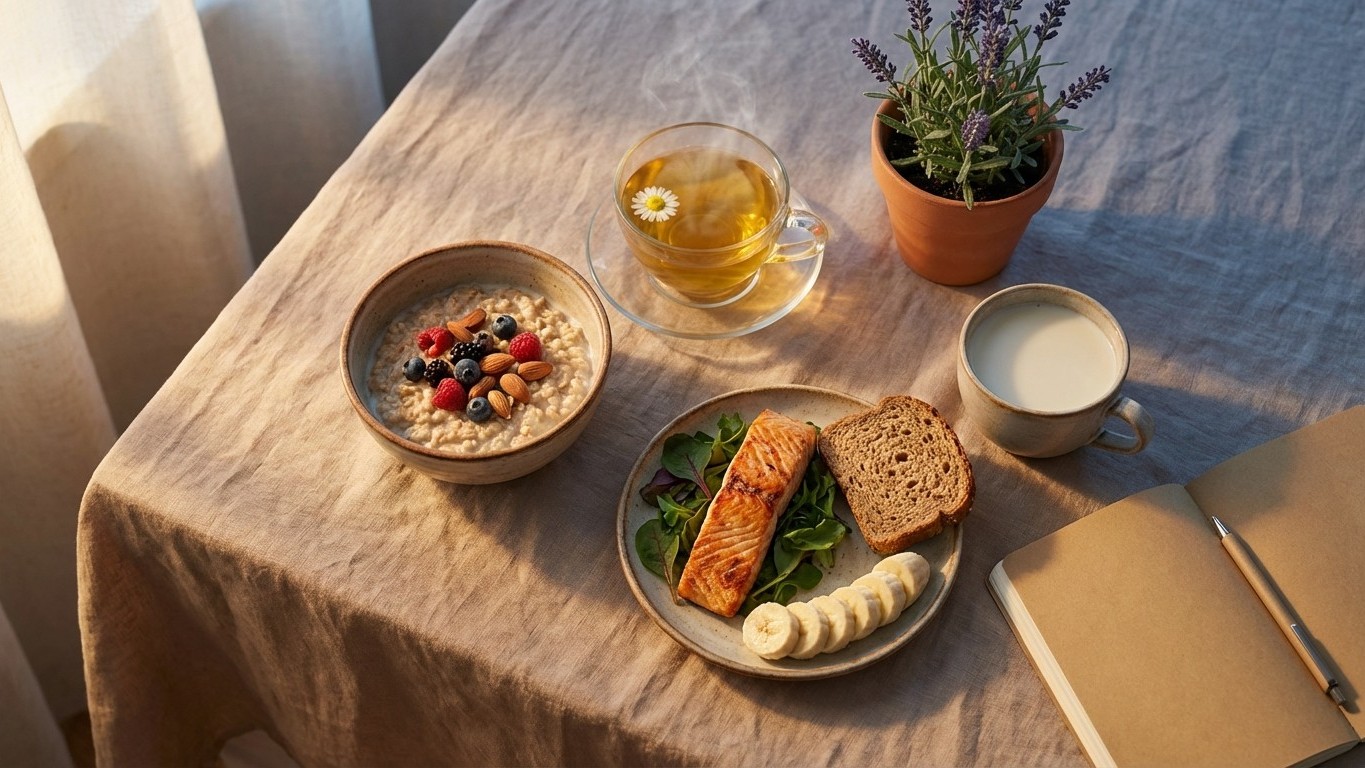
Sleep, or rather the lack of it, has become one of the most discussed health concerns in Britain. Yet while many people focus on screens, stress and bedroom temperature, the plate in front of them at dinner rarely gets the attention it deserves. What you eat and drink, and crucially when you eat it, has a direct and measurable influence on your ability to fall asleep, stay asleep, and wake feeling genuinely restored. The connection runs through hormones, neurotransmitters, blood sugar rhythms and gut chemistry, all of which are profoundly shaped by your daily food choices.
Why Food Affects Sleep: The Science Behind the Connection
How Nutrition Shapes Falling Asleep and Sleep Quality
The relationship between diet and sleep is not simply about feeling too full or too hungry at bedtime. It operates at a biochemical level that most of us never think about. Melatonin, the hormone that signals to your body it’s time to sleep, is synthesised from serotonin, which itself is produced from the amino acid tryptophan. If your diet is low in tryptophan-rich foods, this entire cascade can be compromised. Magnesium, calcium, zinc and vitamin B6 all play supporting roles in this process, acting as co-factors that help the body convert precursors into the neurochemicals that actually regulate sleep. Natural sources of melatonin, such as tart cherry juice for sleep, and foods rich in these sleep-promoting nutrients, like banana for sleep benefits, can also support this biochemical process. Traditional remedies like warm milk for sleep does it work also tap into these nutrient pathways, and learning about what to drink to sleep better naturally can provide additional options for optimising these nutrient pathways. Understanding how to create the best dinner for sleep naturally can help optimise these nutrient interactions for better rest.
Blood glucose stability also matters more than many people realise. When blood sugar drops sharply during the night, often triggered by a high-sugar meal eaten too close to bedtime — the body releases cortisol and adrenaline to compensate. These stress hormones are, evolutionarily speaking, designed to wake you up and get you moving. They are the last thing you want circulating at 3am.
The gut-brain axis adds another layer. The microbiome influences the production of short-chain fatty acids and neurotransmitters, including serotonin (roughly 90% of which is produced in the gut). A diet rich in fibre and fermented foods appears to support a healthier microbiome, which in turn may contribute to more stable sleep patterns, though this area of research is still developing.
Circadian Rhythms and the Timing of Meals
Your body runs on a roughly 24-hour internal clock, and food is one of its most powerful synchronisers, second only to light. Eating at irregular times, or consuming large meals late in the evening, can disrupt the circadian signals that tell your digestive organs when to work and when to rest. Research into chrono-nutrition (the study of how meal timing interacts with biological clocks) suggests that eating most of your calories earlier in the day supports better metabolic function and, indirectly, better sleep.
Digestion itself generates heat and metabolic activity, both of which are counterproductive when your body is trying to lower its core temperature to initiate sleep. This is why the advice to finish eating two to three hours before bed is not just folklore; it has a physiological basis. A modest, well-chosen late snack can be beneficial (more on this below), but a heavy three-course dinner at 10pm is asking your digestive system to work overtime precisely when it should be winding down.
Foods That Help You Sleep Naturally
Complex Carbohydrates and Moderate Glycaemic Index
Carbohydrates have had a complicated reputation in recent years, but in the context of sleep, they can be genuinely helpful when chosen wisely. Foods with a moderate glycaemic index, oats, wholegrain bread, sweet potato, brown rice, provide a steady release of glucose that helps tryptophan cross the blood-brain barrier more effectively. The mechanism involves insulin: when carbohydrates raise insulin levels modestly, competing amino acids are drawn into muscle tissue, leaving tryptophan with clearer passage into the brain.
A small serving of oat porridge or a slice of wholegrain toast with nut butter about an hour before bed can therefore support the production of serotonin and melatonin without causing the blood sugar spike and crash associated with sweets or white bread. The key is proportion, a light snack, not a second dinner.
Proteins, Amino Acids and the Tryptophan Pathway
Tryptophan is the starting point for melatonin synthesis, and it’s found in higher concentrations in turkey, chicken, eggs, dairy products, tofu, pumpkin seeds, and oily fish. But here’s where it gets interesting: eating protein alone may not maximise tryptophan’s effect, because other amino acids compete for the same transport mechanism across the blood-brain barrier. Pairing a modest amount of tryptophan-rich food with a small serving of complex carbohydrates appears to be more effective than either alone.
Glycine, another amino acid, has attracted attention from sleep researchers. Found in foods like bone broth, gelatine-rich cuts of meat, and certain fish, glycine appears to lower core body temperature and improve sleep quality when taken before bed. It works through a different pathway to tryptophan, acting on NMDA receptors in the brain to promote a calmer neurological state. A warm mug of quality bone broth in the evening is an old remedy with some modern scientific backing.
Key Micronutrients for Sleep: Magnesium, Calcium, Zinc and B6
Magnesium is perhaps the most talked-about mineral in sleep nutrition, and with good reason. It helps regulate the nervous system, supports GABA (the brain’s primary inhibitory neurotransmitter), and has been associated in several studies with reduced insomnia symptoms. Good dietary sources include dark leafy greens, almonds, pumpkin seeds, dark chocolate (in modest amounts), and legumes.
Calcium works alongside magnesium in muscle relaxation, and it’s also needed for the brain to use tryptophan to produce melatonin. Dairy foods are the obvious source, but sardines with bones, fortified plant milks, kale and broccoli also contribute meaningfully. Zinc, found in shellfish, seeds and wholegrains, plays a regulatory role in melatonin production. Vitamin B6, present in bananas, salmon, chickpeas and potatoes, is required for converting tryptophan into serotonin. A diet that covers these micronutrients consistently, rather than relying on supplements to compensate for a poor diet — offers the most sustainable foundation for sleep health.
Practical Meal and Snack Ideas for Better Sleep
A sleep-supportive dinner might look like grilled salmon with a side of roasted sweet potato and steamed broccoli, finished with a small pot of natural yoghurt and a drizzle of honey. This combination provides tryptophan and omega-3s from the fish, slow-release carbohydrate from the sweet potato, calcium from the yoghurt, and a gentle sweetness that doesn’t spike blood glucose.
For an evening snack (if you need one), a small banana with a handful of almonds hits several targets at once: potassium and B6 from the banana, magnesium from the almonds, and a modest carbohydrate load to facilitate tryptophan transport. You can read more about the specific mechanisms behind this in our article on banana for sleep benefits.
Drinks That Help You Fall Asleep Naturally
Herbal Teas, Traditional Remedies and Evidence-Backed Options
Chamomile tea is probably the best-known sleep-promoting drink in Britain, and it earns its reputation. It contains apigenin, a compound that binds to benzodiazepine receptors in the brain, promoting mild sedation and reducing anxiety. Linden (tilleul), passionflower, and valerian teas have also been studied, with varying degrees of evidence supporting their calming effects. None of them will knock you out, but consumed as part of a relaxing evening routine, they contribute to the physiological and psychological conditions that support sleep onset.
Warm milk has a long history as a bedtime drink, and the science offers a partial explanation: it provides both tryptophan and calcium, and the warmth itself has a mild relaxing effect. Whether its sleep benefits are primarily physiological or psychological is debated, but for many people it works reliably. The full picture is explored in our piece on warm milk for sleep does it work.
Tart cherry juice is a more recent entrant to the sleep drink conversation, with some of the most promising evidence behind it. Montmorency cherries contain naturally occurring melatonin and tryptophan, and small clinical trials have suggested that drinking tart cherry juice twice daily can modestly improve sleep duration and quality. Timing and dosage matter here, the details are covered thoroughly in our article on tart cherry juice for sleep. For a broader overview of sleep-supportive drinking habits, what to drink to sleep better naturally provides a comprehensive guide.
When to Drink for Maximum Effect
Timing is everything. A calming herbal tea taken 30 to 60 minutes before bed allows it to exert its effect without requiring a disruptive trip to the bathroom at midnight. Tart cherry juice is typically taken in the morning and again in the evening, according to the protocols used in research studies. Warm milk is most effective consumed as part of a wind-down ritual rather than gulped down immediately before you close your eyes.
Staying adequately hydrated throughout the day also reduces the likelihood of nocturnal leg cramps and other physical discomforts that can interrupt sleep, but flooding your system with fluids in the last hour before bed is counterproductive. The goal is to arrive at your pillow comfortably hydrated, not bursting.
Foods and Drinks to Avoid Before Bed
Caffeine, Alcohol and Fast-Releasing Sugars
Caffeine has a half-life of roughly five to six hours in most adults, meaning that a cup of coffee at 4pm still has half its stimulating effect present in your system at 10pm. For those who are genetically slower caffeine metabolisers (a fairly common variation), this window extends even further. Tea, cola, energy drinks and even some pain relievers contain caffeine that can fragment sleep architecture, reducing the proportion of deep restorative sleep even when you manage to fall asleep.
Alcohol is widely misunderstood as a sleep aid. Yes, it helps many people feel drowsy and fall asleep faster, but it significantly disrupts REM sleep and increases sleep fragmentation in the second half of the night. The restorative, dreaming phase of sleep is disproportionately impaired. Waking at 3am feeling unrested after an evening of drinking is a textbook example of alcohol’s rebound effect on sleep architecture.
Rapidly digested sugars, sweets, fruit juice, white bread, pastries eaten late in the evening — trigger the blood glucose spike-and-crash cycle described earlier. The nocturnal cortisol surge that follows is not conducive to staying asleep.
Heavy, Spicy and Hard-to-Digest Foods
Large, fatty meals require sustained digestive effort. The stomach stays active, core body temperature remains elevated, and gastric acid production continues, conditions that are incompatible with the cool, quiet internal environment your body needs for sleep. Spicy foods compound this by raising body temperature directly through capsaicin’s thermogenic effect, and by aggravating acid reflux in those who are prone to it. Lying horizontal with a stomach full of vindaloo is, as most people have discovered for themselves, a reliable recipe for a bad night.
Daily Food Planning for Better Sleep
A Typical Day Built Around Sleep Quality
Building a sleep-supportive diet isn’t about following a rigid protocol, it’s about making consistent choices that work with your body’s rhythms. A practical framework might look like this: a breakfast rich in protein and complex carbohydrates (eggs on wholegrain toast, or porridge with seeds) to stabilise blood sugar from the start. A lunch that includes a source of tryptophan (chicken, chickpeas, tofu) alongside plenty of vegetables and wholegrains. An afternoon snack, if needed, that prioritises nuts, fruit or yoghurt rather than biscuits or crisps. Dinner, eaten at least two to three hours before bedtime, built around the principles above: quality protein, vegetables, and a moderate portion of slow-release carbohydrate. If hunger strikes later in the evening, a small tryptophan-rich snack with a carbohydrate pairing is the sensible choice.
Sleep-Friendly Dinner Ideas and Preparation Tips
Practically speaking, meals that support sleep don’t need to be elaborate. A bowl of lentil soup with wholegrain bread. Baked chicken thighs with roasted root vegetables. Smoked mackerel with warm potato salad and dressed spinach. A tofu stir-fry with brown rice and sesame seeds. These are satisfying, nutritious dinners that happen to tick multiple sleep-nutrition boxes without requiring a degree in biochemistry to prepare.
One useful habit is batch cooking grains and legumes at the weekend, so that weeknight dinners don’t default to convenience foods that are heavier and more processed. Keeping a jar of mixed seeds on the table makes it easy to scatter magnesium and zinc onto any meal without thinking about it.
Common Questions and Myths About Food and Sleep
Answers to Frequently Asked Questions
Should dinner be light or substantial? The honest answer is: it depends on your individual metabolism and what time you eat. A satisfying but not excessive dinner eaten at 7pm is unlikely to interfere with sleep at 11pm. The same meal eaten at 10pm almost certainly will. Quality and timing matter more than sheer caloric volume.
Does cheese cause vivid dreams? This is one of the most persistent food myths in Britain. The idea that cheese before bed produces nightmares has no credible scientific support. Cheese is actually a reasonable source of tryptophan and calcium, potentially sleep-supportive in moderate amounts. The vivid dream association may stem from the fact that people who eat late and sleep heavily tend to remember more dreams, not because cheese is doing something unusual to brain chemistry.
What about bananas? Genuinely useful for sleep, particularly when combined with another food. The potassium, B6 and modest carbohydrate content make them a well-rounded evening snack. The full breakdown is available in our dedicated article on banana for sleep benefits.
Dark chocolate is another complicated case. It contains magnesium (beneficial) but also caffeine and theobromine (stimulating). A small square earlier in the day is fine; a generous portion as a post-dinner treat is a gamble that many people lose.
Supplements and Botanical Aids: Their Place in a Sleep-Supporting Diet
Synergies, Interactions and Realistic Expectations
Magnesium supplements are among the most commonly recommended for sleep difficulties, and the evidence is more solid for people who are genuinely deficient (common in the UK population, particularly among older adults). Glycine as a supplement has shown modest benefits in small trials. Melatonin supplements are available in the UK and can be helpful for jet lag and shift work, though they are not a long-term solution to poor sleep habits.
Herbal preparations, valerian, passionflower, ashwagandha, sit in a grey area between food and medicine. Some people find them helpful; the evidence is mixed and often limited by small study sizes. Crucially, they interact with some medications, which is why anyone taking prescription drugs should consult their GP before adding herbal supplements to their routine. They are best viewed as supportive additions to a healthy diet, not substitutes for it.
For a comprehensive overview of how supplements, plants and other natural strategies fit together, the guide to natural sleep remedies covers the full landscape.
Connecting Food to Your Wider Sleep Routine
Diet as One Part of a Larger Picture
Diet is a powerful lever, but it works best when it’s part of a coherent sleep routine rather than a standalone fix. The hour before bed matters enormously: consistent wind-down rituals, reduced light exposure, a cool bedroom, and a calming drink all reinforce the physiological signals that diet helps create. Eating well for sleep is a bit like laying the groundwork, you still need to build the house.
There’s also an important conversation to be had about life stages. Sleep difficulties during menopause, for example, are influenced by hormonal changes that interact with both diet and circadian rhythms. Adequate calcium and magnesium intake takes on additional significance during this period, as does avoiding alcohol and spicy foods that can exacerbate hot flushes. Older adults generally experience lighter, more fragmented sleep, and consistent meal timing becomes an even more important anchor for their circadian system.
The most striking thing about sleep nutrition, when you look at it honestly, is how much of it overlaps with simply eating a balanced, varied, mostly whole-food diet, with attention paid to timing and portion size in the evening. No single superfood will fix poor sleep, but a consistently nourishing diet, eaten in tune with your body’s natural rhythms, creates conditions where good sleep becomes far more likely. Perhaps the more interesting question isn’t which food is the magic bullet, but whether we’re willing to treat our evening meal as something that genuinely sets the stage for the eight hours that follow it.
Please consult your GP if you are experiencing persistent sleep difficulties, as these may have an underlying medical cause that requires professional assessment.