
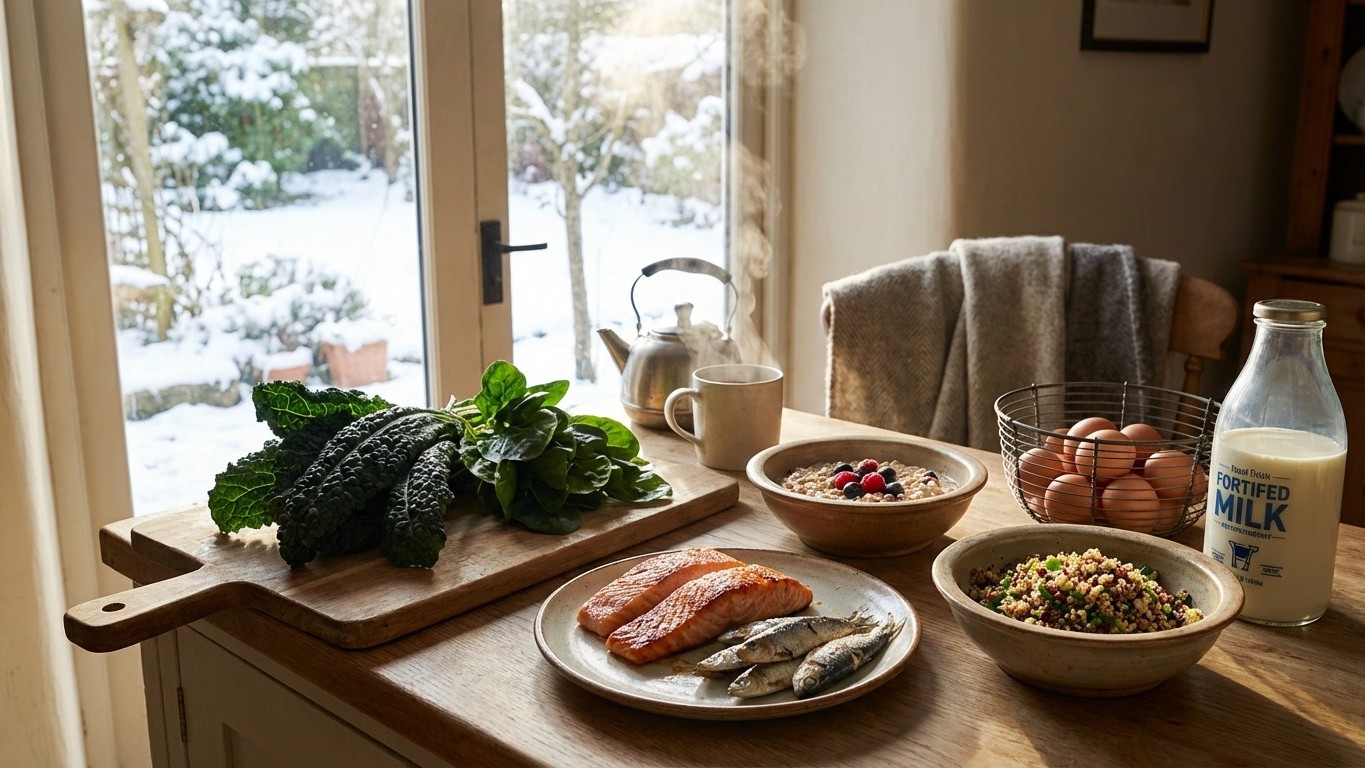
As winter envelops the UK in its chilly embrace, many find their energy levels dwindling and moods dipping. The shorter days and longer nights can lead to a phenomenon known as Seasonal Affective Disorder (SAD), affecting approximately 2 million people nationwide. While light therapy and exercise are commonly recommended, the role of diet in combating these winter blues is often overlooked. Incorporating certain “forgotten” foods into your meals can provide a natural boost to both energy and mood, helping you navigate the colder months with vitality.
Key takeaways
- Discover lesser-known foods that can transform your winter wellness.
- Learn which nutrients fight seasonal mood dips and fatigue.
- Find out how to naturally support brain health during the darkest months.
Embrace the Power of Leafy Greens
Dark leafy vegetables such as kale, spinach, and cavolo nero are nutritional powerhouses, rich in folate and other B vitamins essential for brain function. These nutrients play a pivotal role in the production of serotonin, a neurotransmitter closely linked to mood regulation. Regular consumption of these greens can support both energy levels and emotional well-being during the darker months. Incorporating them into hearty soups or stews enhances flavour. Also, ensures a steady intake of these vital nutrients.
Incorporate Omega-3 Rich Foods
Oily fish like salmon, mackerel, and sardines are abundant in omega-3 fatty acids, particularly EPA and DHA. These essential fats are crucial for brain health and have been associated with improved mood and cognitive function. Studies suggest that regular consumption of omega-3s can alleviate symptoms of depression and anxiety. Aim to include oily fish in your diet at least twice a week. For those following a plant-based diet, flaxseeds, chia seeds, and walnuts are excellent alternatives, though they provide ALA, a precursor to EPA and DHA.
Opt for Complex Carbohydrates
Whole grains such as oats, brown rice, and quinoa provide a steady release of energy, preventing the blood sugar spikes and crashes that can affect mood and energy levels. These complex carbohydrates also stimulate the production of serotonin, contributing to feelings of well-being. Starting your day with a warm bowl of porridge topped with berries can be both comforting and nourishing, setting a positive tone for the day ahead.
Don’t Overlook Vitamin D
With limited sunlight exposure during winter, vitamin D deficiency becomes a concern, potentially leading to fatigue and low mood. While sunlight is the primary source, certain foods can help bridge the gap. Oily fish, eggs, and fortified dairy products are good dietary sources. However, it may be challenging to obtain sufficient vitamin D from food alone during the winter months. Consulting with a healthcare professional about supplementation can be beneficial.
By thoughtfully incorporating these often-overlooked foods into your winter diet, you can naturally enhance your energy and mood, making the season more enjoyable and vibrant. Remember, while diet plays a significant role, it’s essential to consult with your GP for personalised medical advice, especially if you’re experiencing persistent low mood or fatigue.